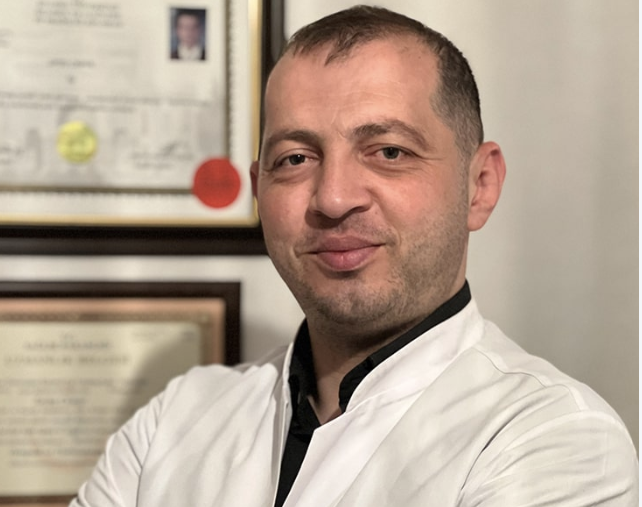
Savas CAMUR
Assoc. Prof.
Orthopaedics
University of Health Sciences, Istanbul, Umraniye Research and Education Hospital
https://www.savascamur.com/
Published Articles
Revision Knee Arthroplasty
Revision TKA is a complex reconstructive procedure performed to address implant failure due to infection, aseptic loosening, instability, periprosthetic fracture, or stiffness. Proper diagnosis requires a combination of clinical, radiographic, and laboratory evaluation to identify the cause of failure. Management aims to restore joint stability, mechanical alignment, and bone stock while minimizing complications. Modern evidence supports the use of modular stemmed and constrained implants to improve fixation, with either cemented or press-fit stems achieving comparable alignment outcomes. Prevention of periprosthetic joint infection (PJI) remains crucial, and intraosseous antibiotic prophylaxis provides superior local drug concentrations and lower infection rates compared to traditional intravenous administration.
May 30, 2026
Dislocation & Instability
Despite advances in implant design, surgical technique, and perioperative protocols, instability continues to challenge both surgeons and patients.Hip dislocation remains one of the most feared complications following total hip arthroplasty (THA), associated with higher morbidity, increased healthcare costs, and up to 25% of all revision procedures.
May 30, 2026
Periprosthetic Hip Fractures
Vancouver B2 fractures—those with a loose stem but adequate bone stock—remain the most debated subtype in terms of optimal management, with recent meta-analyses redefining treatment algorithms.Periprosthetic femoral fractures (PPF) represent one of the most challenging complications after total hip arthroplasty (THA). Their incidence is rising sharply worldwide, driven by increasing THA volumes, aging populations, and poor bone health, particularly osteoporosis.
May 30, 2026
Revision Hip Arthroplasty
Revision Total Hip Arthroplasty (rTHA) addresses failure or complications of primary hip arthroplasty, including aseptic loosening, periprosthetic fracture, infection, and instability. As primary THA volumes increase globally, rTHA has become more common. Outcomes depend on etiology, implant selection, and restoration of biomechanics rather than mere component replacements.
May 30, 2026