Figures
Adequate debridement determines:
Infection risk
Success of reconstruction
Limb salvage outcome
Core Principle
“The solution to pollution is dilution and excision”
BUT:
Excision (debridement) is more important than irrigation alone
Goals of Debridement
Remove:
Necrotic tissue
Foreign material
Bacterial load
Preserve:
Viable tissue
Vascular supply
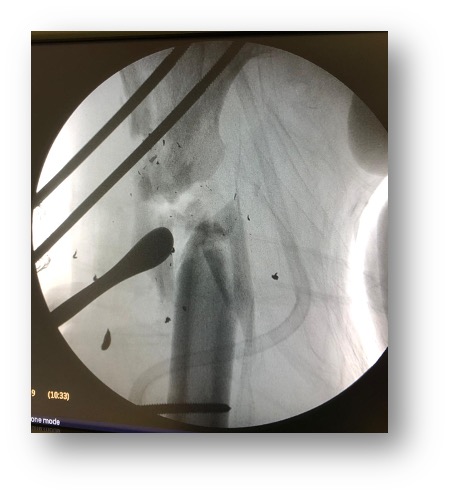
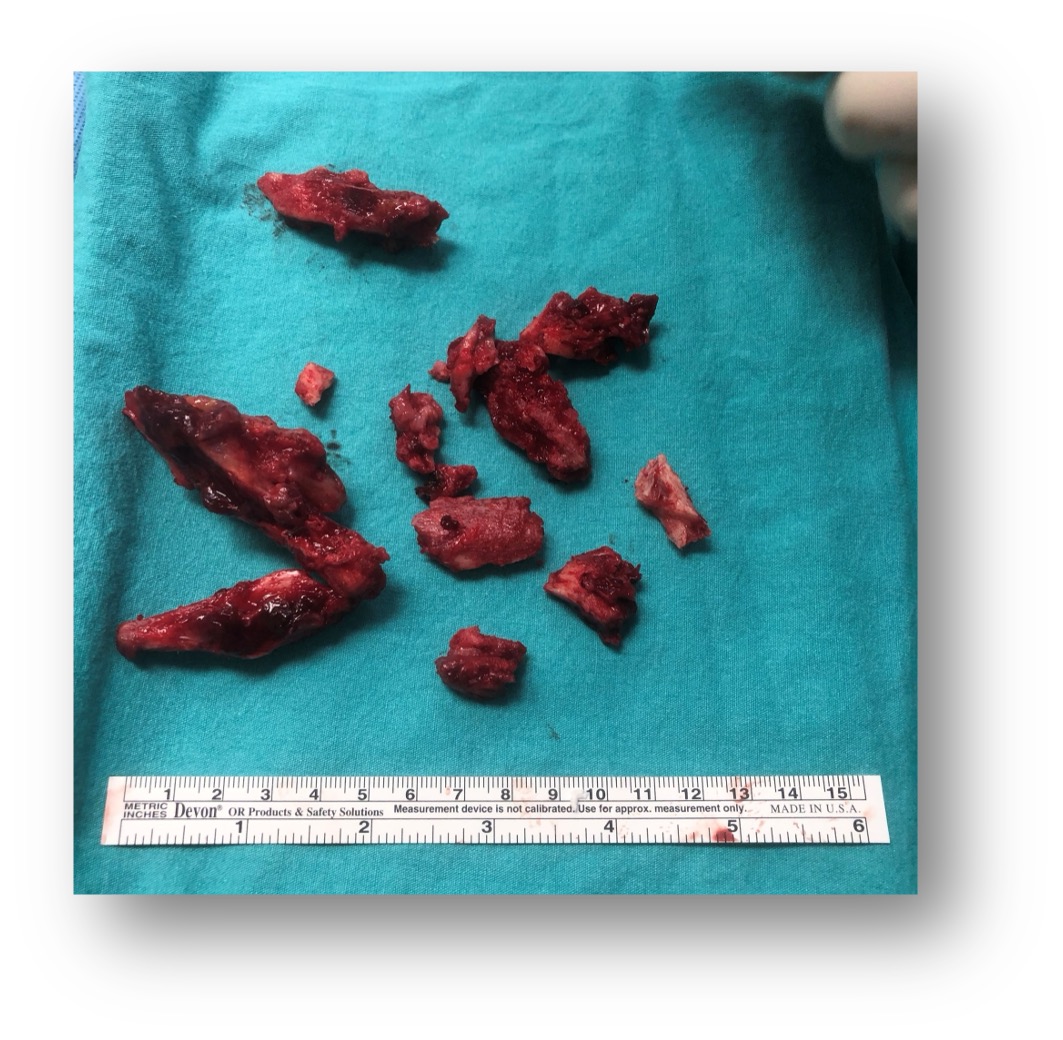
Assessment of Tissue Viability
Muscle – The 4 C’s
Colour → healthy = red
Consistency → firm
Contractility → contracts when stimulated >>>. Most important factor
Capillary bleeding → present
Non-viable muscle must be excised
Bone
Devitalised bone → no bleeding (“dead bone”)
May require:
Resection
Later reconstruction
Skin
Poorly perfused edges → excise
Avoid overly conservative preservation
Types of Debridement
1. Radical (Aggressive) Debridement
Remove all questionable tissue
Preferred in:
High-energy injuries
Contaminated wounds
2. Serial (Staged) Debridement
Repeat procedures every 24–48 hours
Used when:
Viability uncertain
Severe contamination
Timing of Debridement
Urgent, but not blindly immediate
Priorities:
Early antibiotics
Proper surgical setup
Experienced team
Irrigation Principles
High-volume irrigation
Normal saline commonly used
Role:
Reduce bacterial load
Remove debris
Not a substitute for debridement
Orthoplastic Perspective
Debridement defines:
Feasibility of reconstruction
Flap selection
Must be done before fixation and coverage planning
Common Strategies
Extend wound for full exposure
Explore entire zone of injury
Do not rely on skin appearance alone
Reassess at each stage
Complications of Inadequate Debridement
Deep infection
Osteomyelitis
Nonunion
Flap failure
Amputation
Complications of Over-Aggressive Debridement
Excess tissue loss
Larger reconstructive defects
Functional impairment
Pits & Pearls
“When in doubt, cut it out”
Muscle viability = most important determinant
Serial debridement is often necessary
Good debridement reduces need for antibiotics
Plan reconstruction after proper debridement
Pitfalls
Leaving borderline necrotic tissue
Inadequate exposure of wound
Over-reliance on irrigation
Delaying repeat debridement
Attempting closure too early