Nonunion and Malunion Management
Introduction
Nonunion: A fracture that fails to heal within the expected timeframe, typically defined as at least 9 months without radiographic or clinical progress for 3 consecutive months.
Delayed Union: A fracture making progress toward healing but not united within the typical timeframe for that specific injury.
Malunion: A fracture that heals in a non-anatomical position, resulting in shortening, angulation, or rotational deformity.
Epidemiology
Tibia: Approximately 2% to 10% of tibia fractures result in nonunion.
Femur: Relatively uncommon; ≤ 2% after intramedullary (IM) nail fixation.
Etiology & Risk Factors
Patient Factors: Advanced age, diabetes, smoking/nicotine use (major risk), obesity, and nutritional deficiencies.
Medications: NSAIDs and steroids.
Injury Factors: High-energy trauma, open fractures, infection, and poor vascular supply.
Classification (Weber and Cech System)
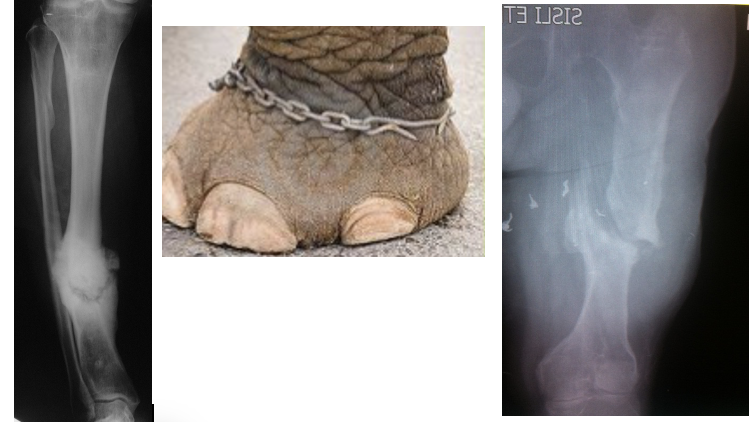
Hypertrophic (Elephant Foot):
Abundant callus formation.
Pathophysiology: Adequate biology but insufficient mechanical stability.
Treatment: Focus on optimizing stability (e.g., exchange nailing or plating).
Atrophic:
Little to no callus, bone end resorption.
Pathophysiology: Impaired biological potential and poor vascularity.
Treatment: Requires both biological stimulation (bone grafting) and mechanical stability.
Oligotrophic:
Minimal callus, but bone ends remain vital.
Treatment: Often requires biological and mechanical augmentation.
Evaluation
Physical Exam: Inspect limb alignment, length, skin integrity (scars), and neurovascular status.
Imaging:
X-rays: Standard AP and lateral views.
CT Scan: Best for assessing bridging bone.
Nuclear Imaging: Technetium-99m can help differentiate between viable bone and chronic infection.
Management Strategies
The Diamond Concept: Integrates four elements: mechanical stability, vascularization, osteoinductive factors (e.g., BMP-2), and osteogenic cells (graft).
Bone Grafting: Options include iliac crest autograft or the Reamer-Irrigator-Aspirator (RIA) technique.
Infected Nonunion: Requires a staged approach:
Radical debridement and hardware removal.
Antibiotic therapy and reconstruction (e.g., Masquelet technique or bone transport).
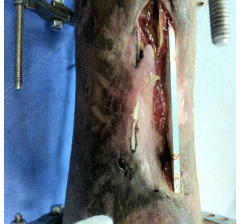
Malunion: Treated only if symptomatic or likely to cause joint degeneration via corrective osteotomy and realignment.
Complications
Failure of union if biological or stability needs are unmet.
Pin tract infections (with external fixation).
Significant socioeconomic burden and diminished quality of life.